By Antony David Davies FRSA
Wales is the land of song. Of poetry and myth. Of harp strings, painted hills, and voices that carry centuries. So why, after a decade of managed decline, is the Welsh Government allowing our culture to be starved of the very funding that sustains it?
This is not hyperbole. A Senedd report published in January this year confirmed our national shame: Wales ranks second from the bottom in Europe for per-person spending on culture. That isn’t a budgetary quirk. It’s a political choice, a national crisis, and a betrayal of who we are.
Culture is not decoration. It is the living memory of a people and the foundation of their future. Yet while Scotland boasts a globally respected national theatre and Ireland invests in its creative industries as tools of statecraft, Wales is defined by cuts. Union research shows arts funding from national bodies has plummeted by 30% in real terms since 2017. Our artists are underpaid, and our national institutions are, quite literally, crumbling.
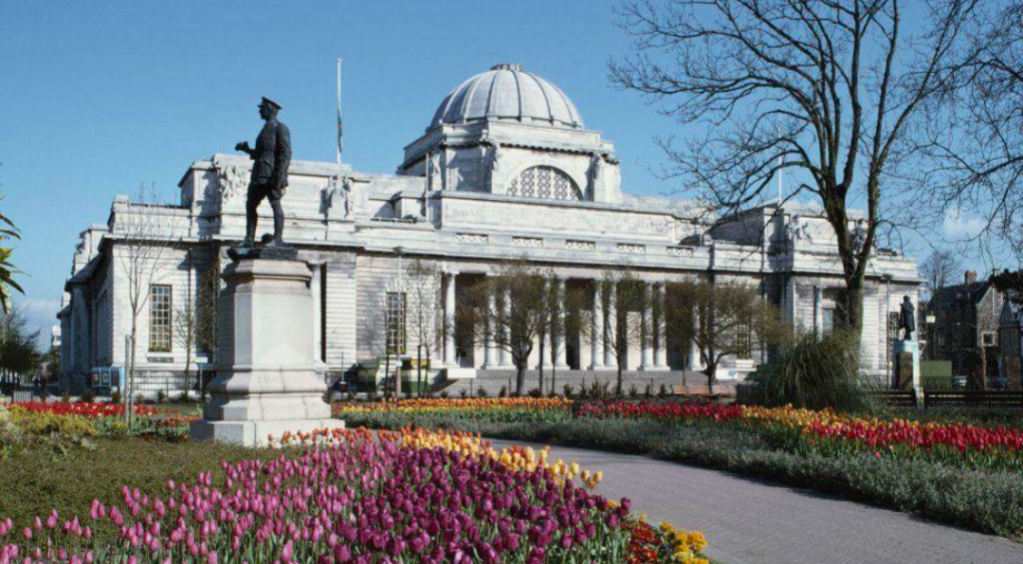
Look at the evidence. We still have no single, permanent national art gallery, the original vision sacrificed for a dispersed model due to budget failure. The National Museum Cardiff was forced into emergency closure this year, its collections endangered by a failing building. Our literature is ghettoised. Our most gifted young musicians and actors are still forced to leave. The world is hungry for Welsh stories, but we seem unwilling to fund the storytellers.
And let’s address the objection some may raise – that in a time of NHS crises and school cutbacks, culture is a luxury we can’t afford. In truth, it’s the opposite. Cultural investment supports economic growth through tourism, regenerates high streets, fosters mental health and well-being, and strengthens education by rooting children in language, identity, and pride. It is not a drain on public resources, it is a multiplier. To underfund culture is to weaken everything else around it.
How did we become so meek?
Yes, Westminster austerity has cast a long shadow, but we cannot lay the blame solely at its door. This is a crisis of confidence enacted through devolved policy. When faced with tough choices, culture is treated as the expendable extra, not the essential core. It’s a failure to grasp that investing in the arts is not a cost to be endured but a foundation stone of national vitality.
This is not just about grants. It’s about the message our government sends: that Welsh culture is something to make do with. To clap for politely, but never truly back with the resources it deserves.
And the irony? When we empower our creatives, the world listens.
The Eisteddfod draws international attention. Michael Sheen brings global platforms to our past. Welsh-language television, from Dal y Mellt to Un Bore Mercher, finds audiences far beyond our borders. We know how to speak, but we are silencing ourselves from within.
It doesn’t have to be this way. The Senedd’s own committees have laid out the problems and pointed to the solutions. We must demand they are implemented.
We could fund our cultural sector in line with the European average. We could have a youth theatre that tours the world. A Welsh Music Foundation that keeps our best talent rooted here. We could fund local museums to teach history where it happened, not lock their doors. We could pay our poets and artists a living wage. We could stop apologising for our ambition.
This isn’t special pleading. It’s cultural survival.
If a nation defunds its culture, it begins to forget itself. That is the danger. Not just fewer concerts or exhibitions – but a quieter Wales. A sadder Wales. A Wales where the next generation no longer sees itself reflected in song or stone.
The Welsh Government must act. But so must we.
We need to demand that our politicians stop treating culture as a side dish and start funding it as the main course of our national life. We need editors, broadcasters, and educators to treat Welsh creativity as something urgent and central. We need to speak, sing, write, and remember — not later, but now.
Wales does not lack genius. It lacks political will.
So let us start there.
By believing that our stories matter.
That our voices deserve space.
That our art is not a luxury – but our soul.
Starve it, and the soul fades.
Feed it, and a nation rises.
Let Wales rise
 Antony David Davies FRSA FRAS AFRHistS MCMI MIoL